
"Mindanao arabica"
39 article(s) found

Philippine Coffee introduces Philippine Coffee Flavor Philippine Coffee characteristics Philippine Coffee taste
Philippine coffee was introduced into the Philippines (Philippines) in the early 19th century, and by 1880 the country had become the fourth largest coffee exporter in the world. However, due to the spread of coffee rust, the country became a coffee importer soon after 1880. However, the coffee growing industry has gradually recovered. The origin of coffee in the Philippines: the Philippines is less able to grow 4 varieties of coffee
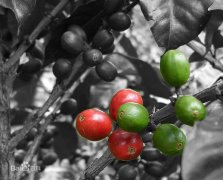
The Philippines also has coffee with Filipino coffee flavor.
Coffee was introduced into the Philippines (Philippines) in the early 19th century, and by 1880 the country had become the fourth largest coffee exporter in the world. However, due to the spread of coffee rust, the country became a coffee importer shortly after 1880. However, the coffee growing industry has gradually recovered. Today, after slow and steady development, the country's coffee industry continues to grow and develop quality.
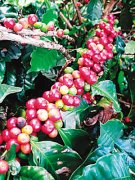
What are the growing places of Philippine coffee flavor coffee?
Coffee was introduced into the Philippines (Philippines) in the early 19th century, and by 1880 the country had become the fourth largest coffee exporter in the world. However, due to the spread of coffee rust, the country became a coffee importer shortly after 1880. However, the coffee growing industry has gradually recovered. Today, after slow and steady development, the country's coffee industry continues to grow and develop quality.

Coffee flavors from different coffee producing areas in the world coffee producing areas in the Philippines
Philippine coffee was introduced into the Philippines (Philippines) in the early 19th century, and by 1880 the country had become the fourth largest coffee exporter in the world. However, due to the spread of coffee rust, the country became a coffee importer soon after 1880. However, the coffee growing industry has gradually recovered. The origin of coffee in the Philippines: the Philippines is less able to grow 4 varieties of coffee
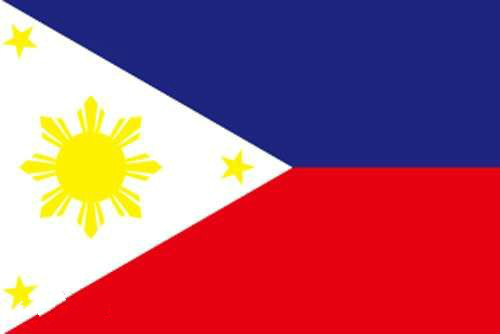
A brief introduction to the Origin, output and Flavor of Philippine Coffee in Asia
Coffee was introduced into the Philippines (Philippines) in the early 19th century, and by 1880 the country had become the fourth largest coffee exporter in the world. However, due to the spread of coffee rust, the country became a coffee importer shortly after 1880. However, the coffee growing industry has gradually recovered. Today, after slow and steady development, the country's coffee industry continues to grow and develop quality.

The Philippines is one of the few countries that can grow four varieties of coffee
Coffee was introduced into the Philippines (Philippines) in the early 19th century, and by 1880 the country had become the fourth largest coffee exporter in the world. However, due to the spread of coffee rust, the country became a coffee importer shortly after 1880. However, the coffee growing industry has gradually recovered. Today, after slow and steady development, the country's coffee industry continues to grow and develop quality.

Philippine Coffee Southeast Asian Coffee Culture
Coffee tree is a small evergreen tree of Rubiaceae. Coffee for daily consumption is made from coffee beans combined with various cooking utensils, and coffee beans refer to the nuts in the fruit of coffee trees, which are then baked in an appropriate way. The taste of a standard cup of coffee should not be bitter, and a qualified barista will strictly carry out every step when making coffee.
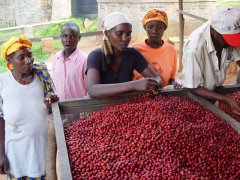
Philippine coffee Southeast Asian coffee boutique coffee
Boutique coffee is fresh coffee. Whether it's food or drink, of course, the fresh the better, and so is boutique coffee. High-quality coffee should keep the coffee beans fresh before making, including the preservation of baked beans, and grind the coffee beans into powder before making, which is also to retain its original and best flavor. And the way of making hand-made coffee is such a way to make high-quality coffee.
Flavor characteristics of Celebes Sulawesi Coffee in Indonesian Coffee producing area is Sulawesi Coffee good?
For more information on coffee beans, please follow the coffee workshop (Wechat official account cafe_style) Celebes, which was influenced and controlled by the Netherlands from 1605 to World War II. In 1669, the Dutch East India Company controlled trade in Sulawesi. The Dutch built Fort built of Deer (now Makassa) in the mid-16th century until 1905

History of G1 coffee beans cultivation in Toraja, Sulawesi, Indonesia? Coffee beans before.
Professional coffee knowledge exchange More coffee bean information Please pay attention to coffee workshop (Weixin Official Accounts cafe_style) Indonesian Sulawesi Toraja G1 coffee bean planting history? [Sulawesi] The front street of coffee beans recommended hand-washed data? Sulawesi Sulawesi formerly Celebes, is an island of Indonesia, Sulawesi Island, is also the 11th largest island in the world, geography

Eight Coffee cities dedicated to Coffee lovers
Coffee shops can be found everywhere in the streets of Taipei. Taiwanese shopkeepers who pay attention to cultural creation usually cannot allow their coffee shops to lack character. The design of small details is a magic weapon to attract customers. Drinking coffee is an important way to enjoy Taipei, and it is also a part of the life of many people in Taipei. Walking on the streets of Taipei, from the cheapest 35 yuan coffee to the coffee shop run by the champion of the World Coffee Competition

Eight Coffee cities dedicated to Coffee lovers
Seattle in the eyes of coffee lovers around the world, there will be a separate location reserved for it, where the famous chain Starbucks was born. It is because of Seattle people's love for coffee that gives birth to a world-renowned brand. Other coffee chains are also spread all over the city network, and what is more worth discovering are the characteristic small cafes. The first star

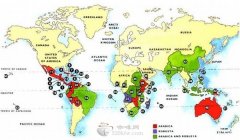
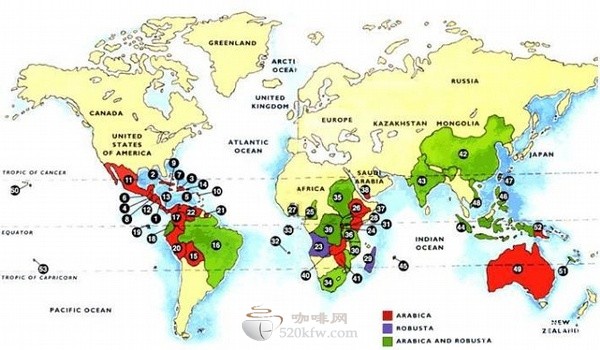
Boutique Coffee introduction to 53 Coffee producing areas around the World
forty-four. In 1715, the first coffee trees (about 40) were transported from the Yemeni port of Moka to La Runion, but unfortunately only two survived. By 1719, coffee plantations had flourished and the first beans were sold. Over the next few years, the government took a hard measure: the islanders, black and white, had to plant 100 coffee trees a year.
Philippine Coffee: seeking Development in the double barriers of abnormal Climate and cheap imported Coffee
Professional coffee knowledge exchange more coffee bean information please follow the coffee workshop (Wechat official account cafe_style) the Philippines is a coffee producer. The country's different topography and climate make it suitable not only for growing Robusta, but also for Arabica, Liberia and Excelsa. But in recent years, the Philippines has not produced enough to support its coffee consumption.
Introduction of Coffee from 53 Coffee producers in the World (5)
forty-one. Coffee cultivation in Zimbabwe (Zimbabwe) began relatively recently, in the 1960s, when farmers in southern Africa set up coffee plantations. Coffee cultivation in Zimbabwe is mainly concentrated in the eastern highlands near Mozambique, mainly by the Chimanimani mountains and northward Nyanga (Ny).

World Map of Coffee beans-- introduction of 53 coffee producing areas in the world
twenty-one. Venezuela oil was once considered the main export of Venezuela (Venezuela). Although coffee trees were introduced from Martinique in 1730 and Venezuela, coffee production was almost abandoned at the height of the oil industry. Recently, coffee plantations have begun to recover, with original Tipica and bourbon coffee trees and new plantations
Introduction of Coffee from 53 Coffee producing areas in the World
one. Costa Rican coffee has full grains, ideal acidity and unique strong aroma. Tarrazu of Costa Rica is one of the major coffee producing areas in the world. Costa Rica, with its fertile volcanic soil and good drainage, is the first country in Central America to grow coffee and bananas for commercial value. Coffee and fragrance
Coffee beans from 53 producing areas-enough to make you memorable
one. Costa Rican coffee has full grains, ideal acidity and unique strong aroma. Tarrazu of Costa Rica is one of the major coffee producing areas in the world. Costa Rica, with its fertile volcanic soil and good drainage, is the first country in Central America to grow coffee and bananas for commercial value. Coffee and fragrance
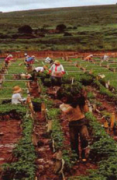
Have a comprehensive understanding of coffee
Legend of Coffee the person who first discovered coffee: a shepherd in Ethiopia, in the fifth and sixth centuries AD. It is said that Niankadi, a shepherd with talent as a poet, herded sheep on the mountain paths of the Ethiopian plateau every day. He liked to drive the sheep home with a shrill flute, but one day the flute sounded again and there was no sign of the sheep. He looked everywhere. Find sheep